
The federal Department of Agriculture, Fisheries and Forestry has today released key information relating to their ongoing assessment into importing fresh Cavendish bananas from the Philippines.
This includes:
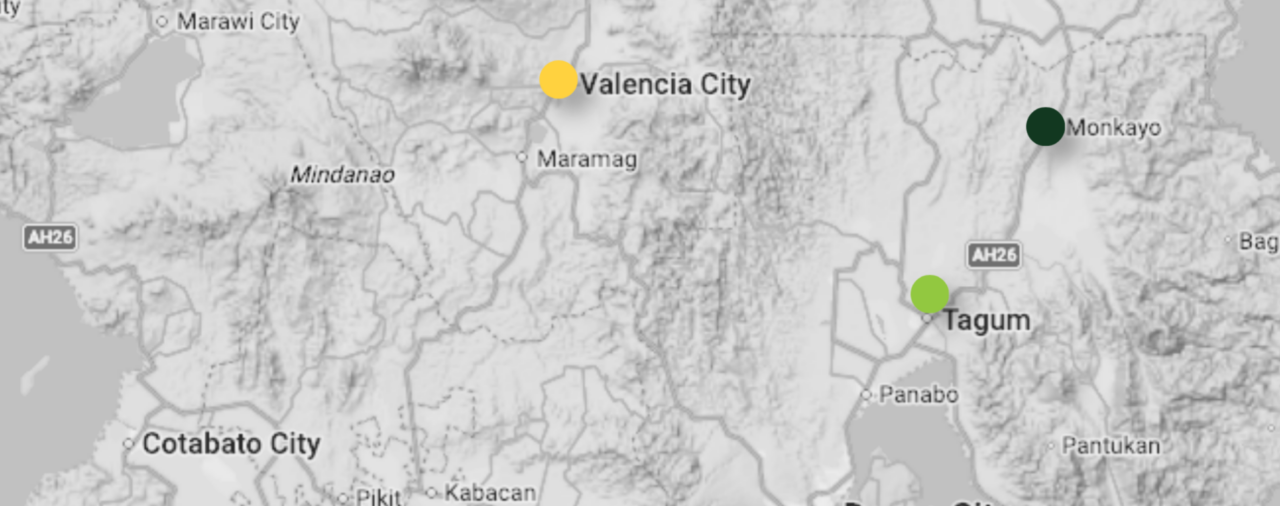
- A high-level trip report on their technical visit to five farms in Davao del Norte, Bukidnon and Davao de Oro.
- An Issues Paper, outlining the assessment process in more detail and any issues that need to be considered, as well as more information regarding the request from the Philippines.
- The decision to move to a regulated Biosecurity Imports Risk Analysis (BIRA).
Chair of the Banana Imports Committee, Paul Inderbitzin, said the Banana Imports Committee will be closely considering these documents – particularly the Issues Paper – in coming days.
“We’ve been preparing for this. The Banana Imports Committee, as well as our scientific experts, will be going through this information with a fine-tooth comb,” Mr Inderbitzin said.
“While this is not up for official consultation, rest assured we’ll be alerting the Department to any concerns or inconsistencies.
“We’ll keep industry informed, but I’d encourage you to take a look too and share any concerns or questions with us.”
Growers and industry stakeholders should reach out to [email protected].
Mr Inderbitzin noted that the trip report, in its current form, reveals very little.
“We understand the detail will come with the draft Import Risk Assessment, but what I can say is there is nothing in this report that gives any indication that our current biosecurity standards should change, or that the Philippines could meet our appropriate level of protection (ALOP).
“The diseases present at every one of the farms they visited, could virtually wipe-out the Australian banana industry.
“On top of that, what chemical programs are they using to control these? How rigorous is the fruit quality inspection process? How can we guarantee all packing houses will follow protocol to remove possible pest and disease transmission? The questions go on, and I can’t foresee any answers that would be satisfactory to any Australian grower.”
Mr Inderbitzin welcomed the decision to move to a Biosecurity Imports Risk Analysis.
“This provides some additional checks and balances, which seems only fitting given the gravity of any decision that is made.”
Issues Paper
The Issues Paper should outline background information, identify potential disease or pest hazards, and invites public feedback on certain items for a period of 30 days. It is separate (and additional) to the draft report, expected in early 2027.
Trip Report
In late March (23rd-27th), DAFF representatives travelled to the Philippines, where they viewed five farms in Davao del Norte, Bukidnon and Davao de Oro. The trip report is additional information provided by DAFF, on top of their standard communication processes.
All the farms DAFF toured currently export bananas and have their own packing facilities. They are run by four different companies and are varying in size.
Moko, black Sigatoka, banana freckle and Panama disease Tropical Race 4 were present at all farms visited. DAFF reports that the diseases were managed through high intensity monitoring and control programs, as well as the use of tolerant cultivars.
View the full trip report here
BIRA decision
A BIRA brings in additional, regulated requirements to the standard import risk analysis process, including:
- appointment of the Scientific Advisory Group to examine and provide comment on any aspect of the BIRA
- issuing a notice of intention to conduct a BIRA (today)
- publishing an issues paper before releasing a draft report (today)
- publishing a provisional report before releasing the final report
- an option for stakeholders to request the Inspector-General of Biosecurity (IGB) to review the process for conducting the analysis.
These steps are prescribed under the Biosecurity Act 2015 and the Biosecurity Regulations 2016.
What can you do now?
- If you have questions or feedback, you can email DAFF: [email protected]or attend a virtual information session:
Wednesday 24 June, 1:00pm to 2:00pm AEST
Friday 26 June, 1:00pm to 2:00pm AEST
Note both sessions will cover the same content. - Alternatively, you can contact [email protected]
- Write to your MP – click here to download a template
- Back the Banana Imports Fighting Fund – click here to find out more
What’s next?
A draft report on the import risk analysis is expected early in 2027, which will be open to consultation for a minimum of 60 calendar days. This report will include the biosecurity risk assessment and details of any proposed risk management measures. It will also discuss how the information from this technical visit was considered.
The Banana Imports Committee will continue to lead the industry response, focussing on political strategy and raising widespread support.