
Diseases that could devastate the $1.3 billion Australian banana industry were present on every farm visited in the Philippines as part of an imports-related technical trip earlier this year.
The Department of Agriculture, Fisheries and Forestry (DAFF) has today released a report on their recent visit to the Philippines, along with an Issues Paper and their decision to move to a regulated Biosecurity Imports Risk Analysis. This is part of DAFF’s assessment of the Philippines request to consider alternative biosecurity measures for importing fresh bananas to Australia.
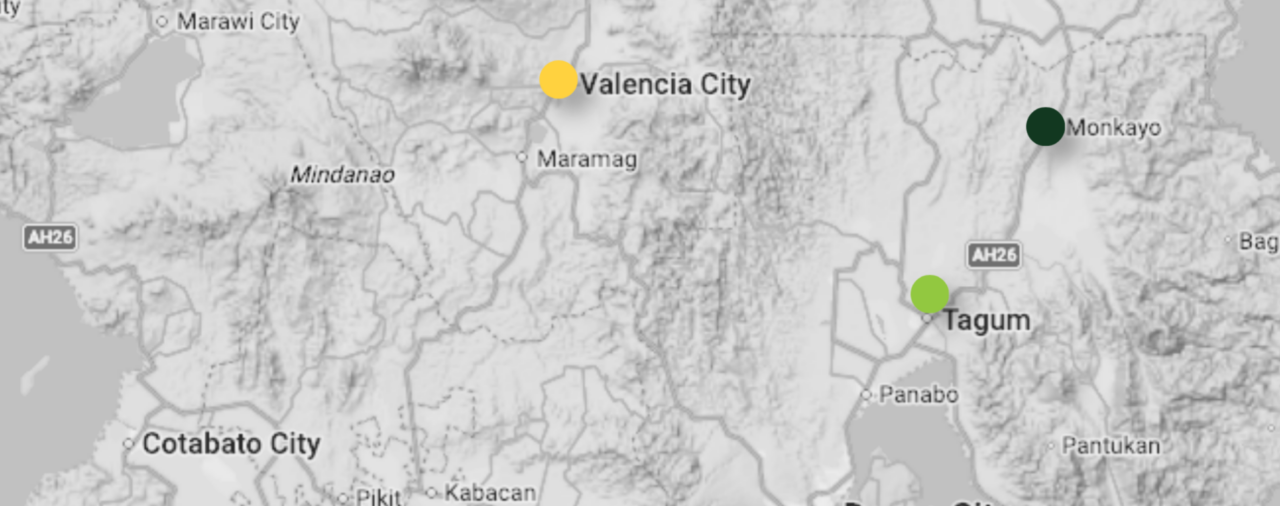
Five farms owned by 4 companies in Daveo del Norte, Bukidnon and Davao de Oro were visited during the March trip. DAFF notes they were of varying sizes and all currently export bananas to other countries. All had varying levels of Moko, black Sigatoka, banana freckle and Panama disease Tropical Race 4.
Moko and black Sigatoka are currently not present in Australia, while banana freckle and Panama TR4 have limited distribution and are contained.
Chair of the Banana Imports Committee, Far North Queensland grower Paul Inderbitzin, said industry still has a lot of questions.
“There is nothing in this report that gives any indication that our current biosecurity standards should change, or that the Philippines could meet our appropriate level of protection (ALOP).
“The diseases present at every one of the farms they visited, particularly Moko and black Sigatoka, could virtually wipe-out the Australian industry” Mr Inderbitzin said.
He noted that the Banana Imports Committee, and its scientific experts, would be looking more closely at the trip report and Issues Paper in coming days.
“Rest assured, we’ve been preparing for this and will be going through the documents with a fine-tooth comb,” he said.
“Our understanding is that the trip report is high level, with further detail to come with the draft import risk analysis, expected early next year.
“The Issues Paper should outline the assessment process in more detail and any issues that need to be considered, as well as more information regarding the request from the Philippines.”
Mr Inderbitzin said he believes the decision to move to a regulated Biosecurity Import Risk Analysis (BIRA) was the right one.
“A BIRA adds some extra checks and balances, including the option for us to request a review of the whole process. Given the wrong outcome could devastate our industry, it makes sense to choose the regulated option.
“We’ll be sharing more with industry in coming days but our argument, at its core, is pretty simple.
“Right now every banana you buy is grown by an Australian farmer. We supply more than enough to cover the 5 million eaten here every day.
“We don’t need banana imports. Disruption to supply chains across the world right now should emphasise that we need to support local industries and food production.
“Why put our growers, their communities and an affordable, Aussie staple at risk from exotic pest and diseases?”